Hormuz Crisis: SIPORTS 2026 Drives Morocco’s Port and Logistics Transformation
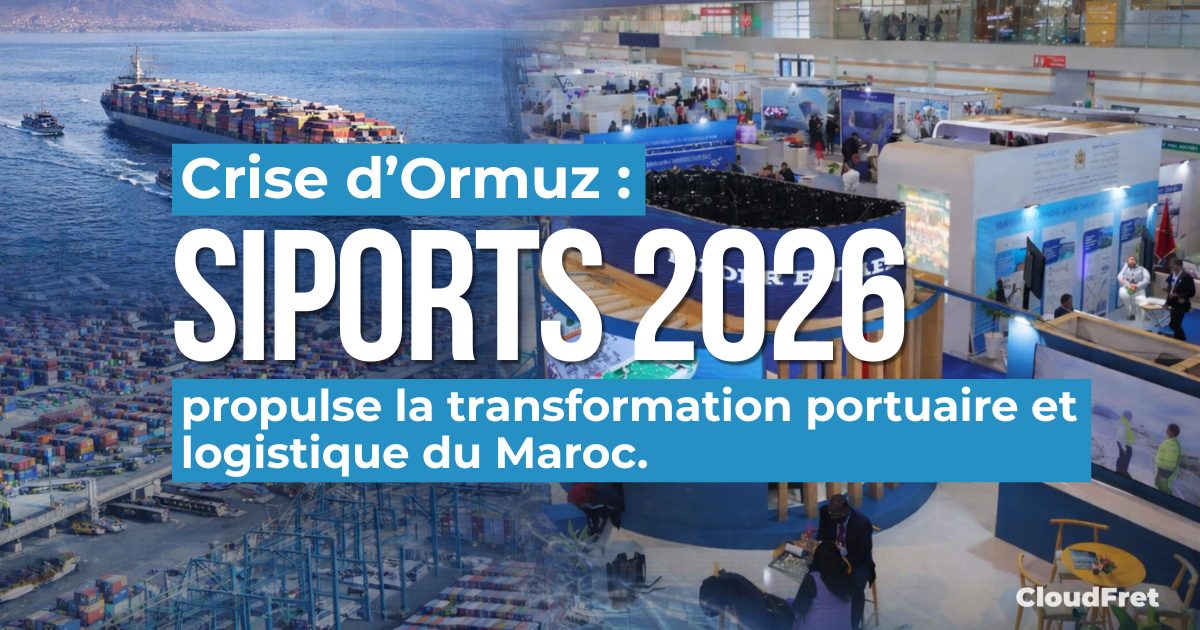
The Strait of Hormuz crisis is profoundly upsetting the balance of international maritime trade. Reduced flows through this strategic zone are triggering a rapid reconfiguration of logistics routes and pushing transport players to seek safer, higher-performing hubs. Against this backdrop, Morocco is accelerating its port and logistics strategy, driven in particular by the organisation of SIPORTS 2026, which puts ports at the heart of economic resilience and regional integration.
A Reconfiguration of Global Shipping Routes
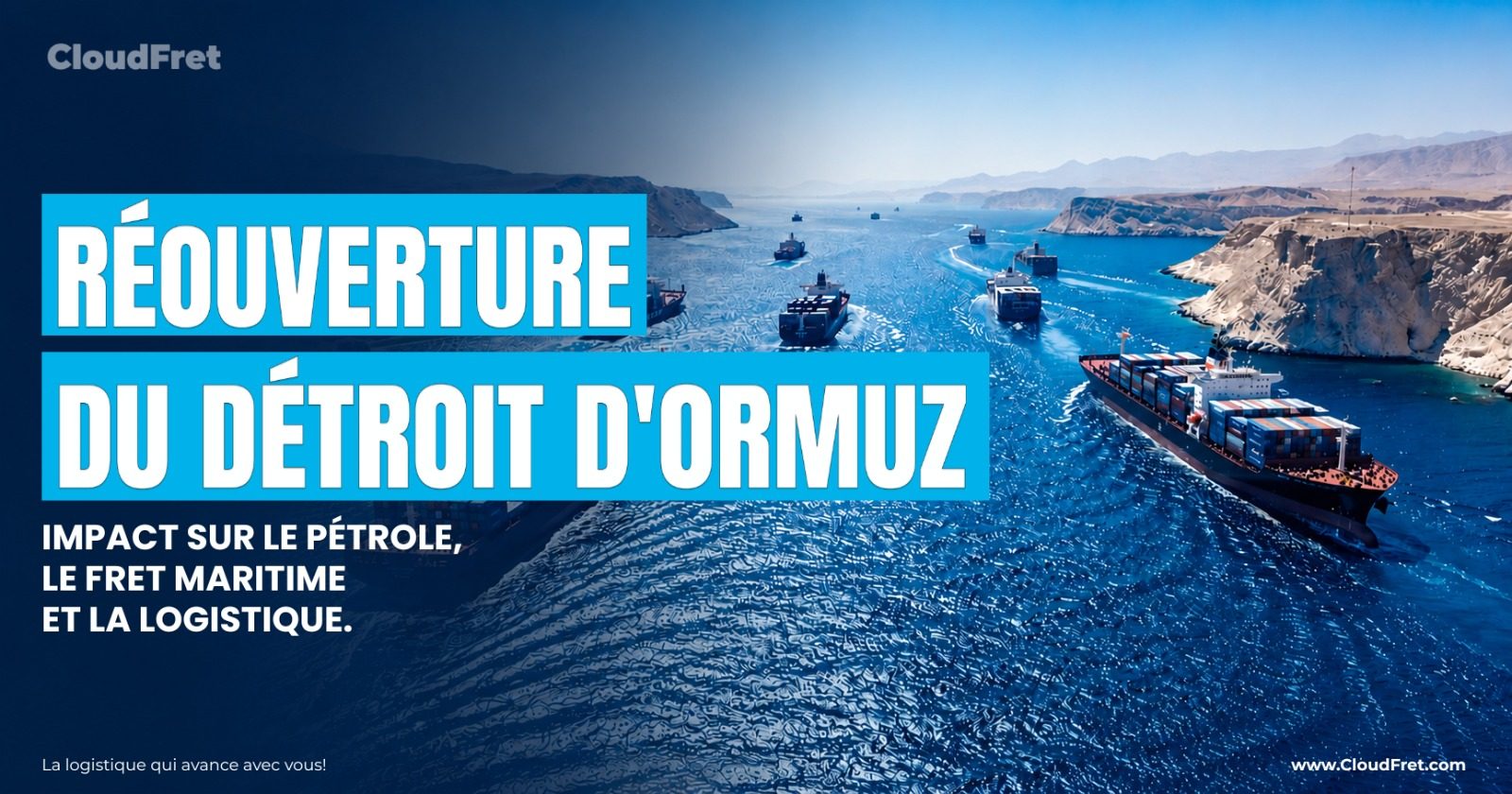
The blockade of the Strait of Hormuz has direct repercussions on global supply chains. This strategic waterway normally carries a large share of the energy and trade flows between Asia, Europe and Africa. Reduced traffic in the area is driving up shipping costs, delaying the delivery of goods and putting increased pressure on alternative logistics hubs. In this new environment, shipowners and shippers are looking for stable port platforms capable of securing their operations and guaranteeing the continuity of international trade.
SIPORTS 2026, a Catalyst for Morocco’s Port Strategy
Held in El Jadida, from 1 to 3 April, under the aegis of the Ministry of Equipment and Water, SIPORTS 2026 is part of a drive to transform the maritime and logistics landscape. The event brings together professionals from the port, transport and industrial sectors to rethink supply chains in the face of geopolitical tensions. In this context, ports are seen as strategic infrastructure capable of supporting economic sovereignty, strengthening regional integration and improving the resilience of trade flows. The show also focuses on innovation, operational performance and the integration of new technologies into port management.
A Moroccan Port Network Gaining Momentum
The Tanger Med Port complex is today the driving force of the Moroccan port sector. Thanks to its international connectivity and operational performance, it has established itself as a major hub between Europe, Africa and the Americas. This momentum is reinforced by the development of new strategic infrastructure such as Nador West Med and Dakhla Atlantic Port, which complement the national port network. The aim is to build an integrated logistics system capable of absorbing the flows diverted by geopolitical tensions and strengthening Morocco’s competitiveness on the new maritime trade routes.
Logistics Digitalisation to Meet the Challenges of the Crisis
In the face of the maritime disruption caused by the Hormuz crisis, digitalisation is becoming an essential lever for improving flow management and strengthening logistics performance. Digital tools make it possible to anticipate delays, optimise alternative routes and streamline coordination between the various players in the supply chain. Real-time visibility of operations is becoming a key factor in securing trade and reducing the costs of unforeseen events.
In this context, solutions such as CloudFret are helping to meet these challenges by facilitating coordination between shippers, carriers and port platforms. By centralising operational data and improving logistics collaboration, CloudFret makes it possible to adapt flows quickly to the new constraints of maritime trade. This digital approach strengthens supply chain resilience and supports Morocco’s rise as a strategic port hub.
A Strategic Opportunity for Morocco
The Strait of Hormuz crisis is acting as a catalyst for Morocco’s port strategy. Through the organisation of SIPORTS 2026, the continued development of infrastructure and the integration of digital solutions, Morocco is gradually consolidating its position in global logistics. In an environment marked by uncertainty, the combination of port power, international connectivity and digitalisation is a major competitive advantage for capturing new trade flows and strengthening supply chain resilience.
Related Articles:
- Logistics 4.0 Unleashed: Transforming the Future of Transportation and Logistics
- Paris 2024 Olympics Vs Logistics and Transport Challenges
- Morocco 2024: Key Logistics Developments Unfolding!
- AfCFTA in Morocco: Towards Enhanced African Integration in 2024
- Post-COVID Supply Chain – Can Europe Bounce Back in Africa?